


COLLECTABLE STORIES: SUGAR CUBE

SUGAR CUBE
Short Talk with Aleksandar Suvandzhiev (director)
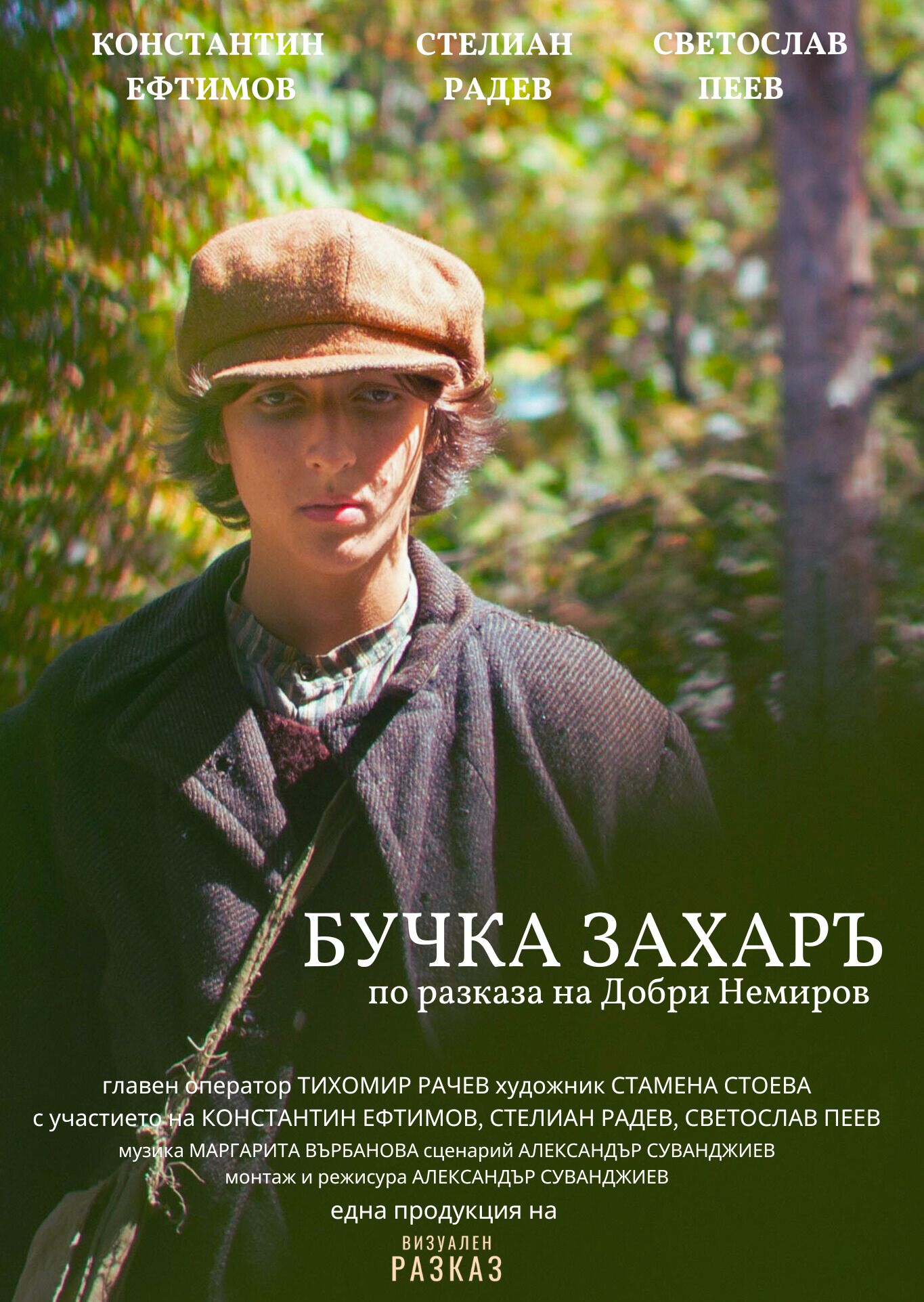
BEST SHORT STUDENT FICTION FILM Category
22nd IN THE PALACE International Short Film Festival 2025
Bulgaria, Fiction, Bulgarian, 00:16:09, 2023
Synopsis: Set as a tale, the story takes us on a journey alongside Dobri. A teenager, who having just finished high school with the dream of becoming a writer, arrives in the capital city looking for work. As soon as he arrives though, his bicycle gets stolen. Struggling to find work to survive, Dobri stumbles upon a stranger who helps him out, as both tie a friendship for a lifetime.
Biography: Aleksandar Suvandzhiev was born on the 11th of June 1992 in Ruse, Bulgaria. While he was a student at the Economics High School, he took part in the Municipal Children's Centre for Culture and Arts, where he participated in numerous theatre plays.
After completing his high-school education, he went on to study acting, earning a bachelor's degree at the University of Salford (Manchester, England) in 2015.During his studies there, he participated in a number of student films and theatre plays, as well as devising and performing a graduating one-man show.After his graduation he continued to seek work as an actor, landing a small part in the film God’s Own Country 2017’, directed by Francis Lee.In 2021, he returned to Bulgaria, where he was accepted to study a master's degree - Film and Television Art, with a degree in directing, at the New Bulgarian University, where with the help of his colleagues, he created his diploma short film Sugar Cube based on the story by Dobri Nemirov.
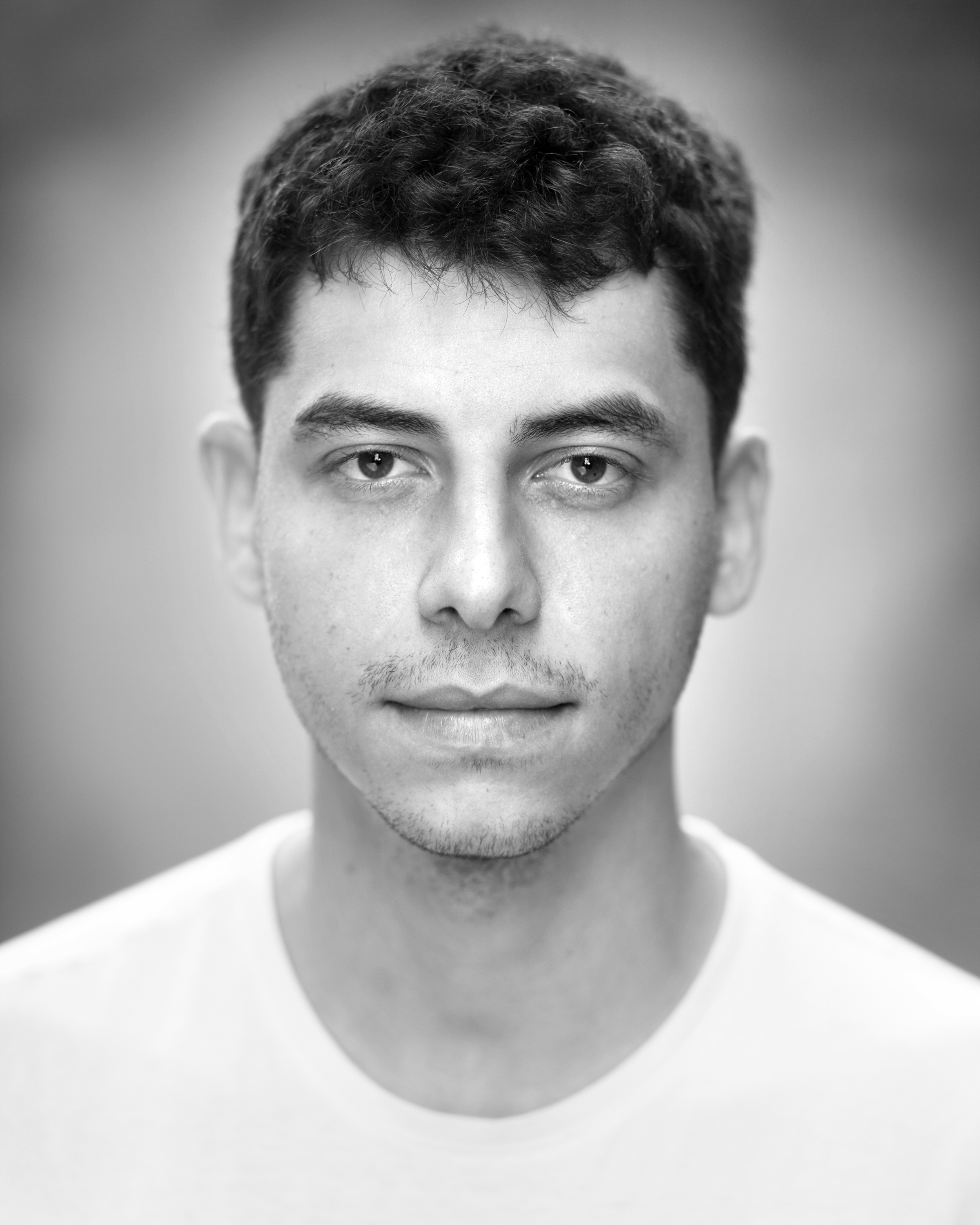 Aleksandar Suvandzhiev, director
Kaloyan Vasilev: Your film opens with a slideshow of photographs. Where did you find those images?
Aleksandar Suvandzhiev: I found them online, just searching the internet.
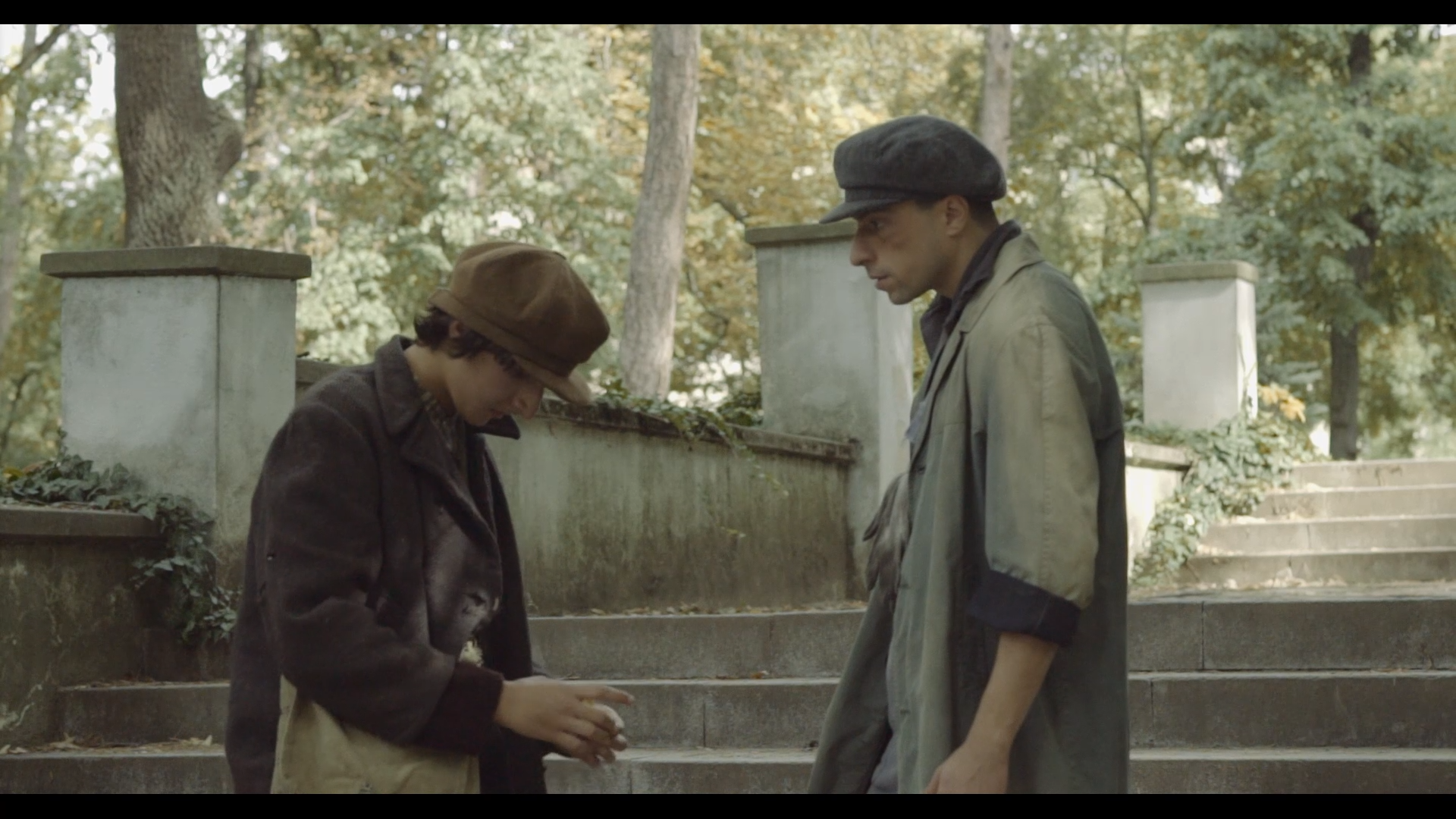
Kaloyan Vasilev: Your film is set in the past, with many old vehicles and period costumes. Wasn’t it difficult to source those?
Aleksandar Suvandzhiev: It was more of a process than a problem. It wasn’t particularly hard, it just required some searching. Once we started, everything began coming together. We didn’t have any major setbacks in finding the costumes or vehicles.
Since this was a student production, people were very willing to help. Many of the costumes, props, and set pieces were loaned to us, and there were quite a lot of them. Honestly, transporting everything was harder than finding it.
Kaloyan Vasilev: Because you didn’t have full-scale means of transportation?
Aleksandar Suvandzhiev: We filmed the entire project over three days. The day we shot in the city was a Sunday morning, so there weren’t too many people around. When there were, we had someone ask them to wait just a couple of minutes so we could get the shot. We also avoided framing that would show modern details, no cables, street signs, or modern buildings in the background. Instead, we kept our shots tight on old buildings to preserve the period look.
Kaloyan Vasilev: There seems to have been a lot of logistical planning. Why did you choose to adapt a story by the Bulgarian writer Dobri Nemirov?
Aleksandar Suvandzhiev: It came out of a masterclass during my Master’s degree. We were asked to present personal stories, but mine didn’t really lend itself to a good short film. So the challenge became finding a short story that would work on screen.
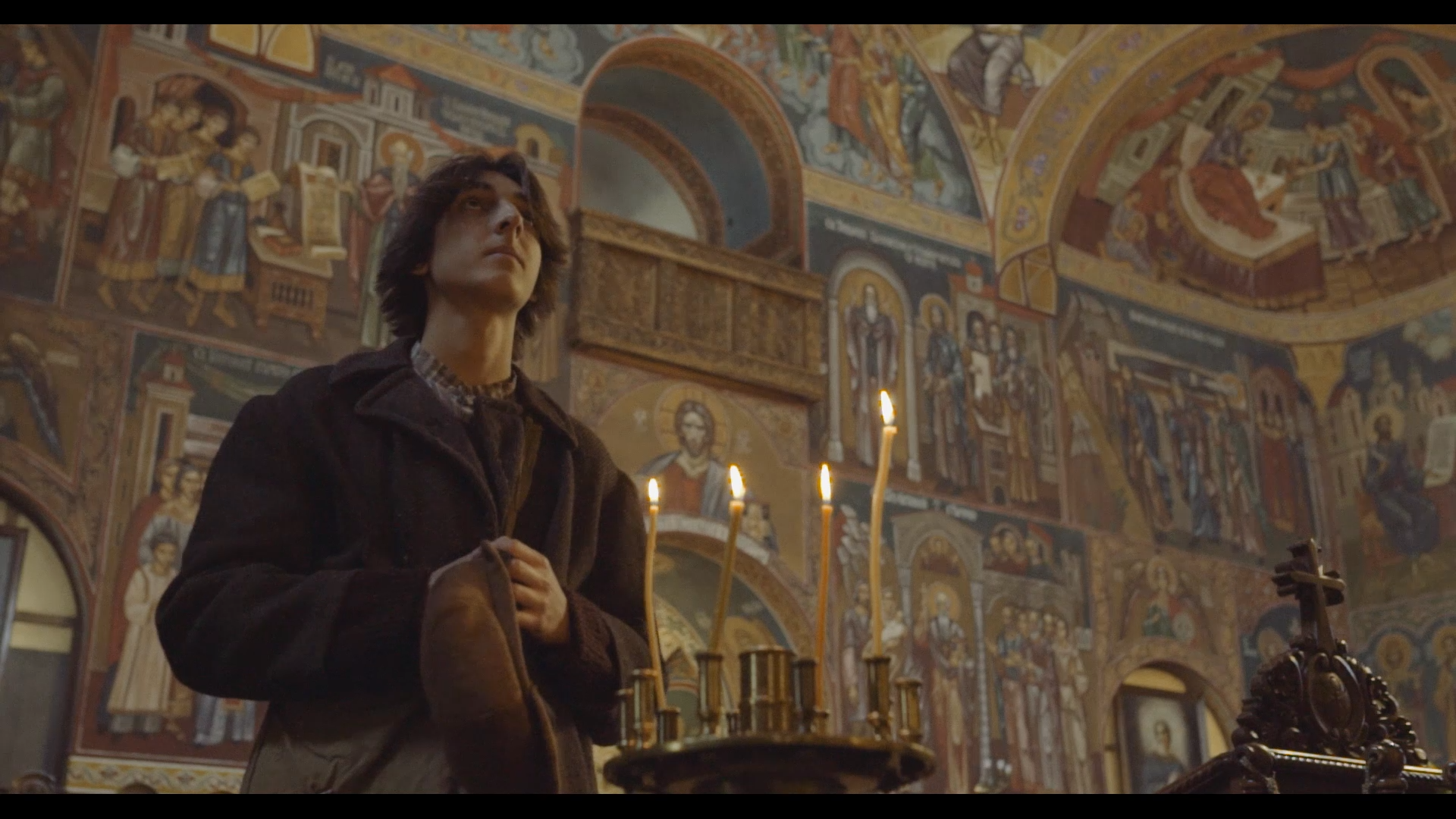
I found this story, liked it, and presented it to my class. It got good feedback from fellow students and professors, so we moved forward with it. Initially, I wanted to set it in the present day, but everyone encouraged me to make it a period piece. I agreed, though at first, I had no idea how I was going to do it. It all came together along the way.
Kaloyan Vasilev: Did your school impose any other constraints besides the original “personal story” guideline?
Aleksandar Suvandzhiev: Not really. Everyone was very supportive in helping us make the film. The university has good connections with the film center, so we could use their costumes free of charge as students.
Kaloyan Vasilev: And did they provide the shooting equipment as well?
Aleksandar Suvandzhiev: They have a department with cameras and microphones, but a fellow student had his own camera and knew how to use it. So we decided to work with his. We didn’t have a wide choice of equipment, just what we could access, but we made it work.
Interviewer: Kaloyan Vasilev
Editor: Martin Kudlac


