


COLLECTABLE STORIES: OPLÀ

OPLÀ
Short Talk with Giulia Camba (director), Valentina Puddu (actress) and Matteo Manunta (editor)
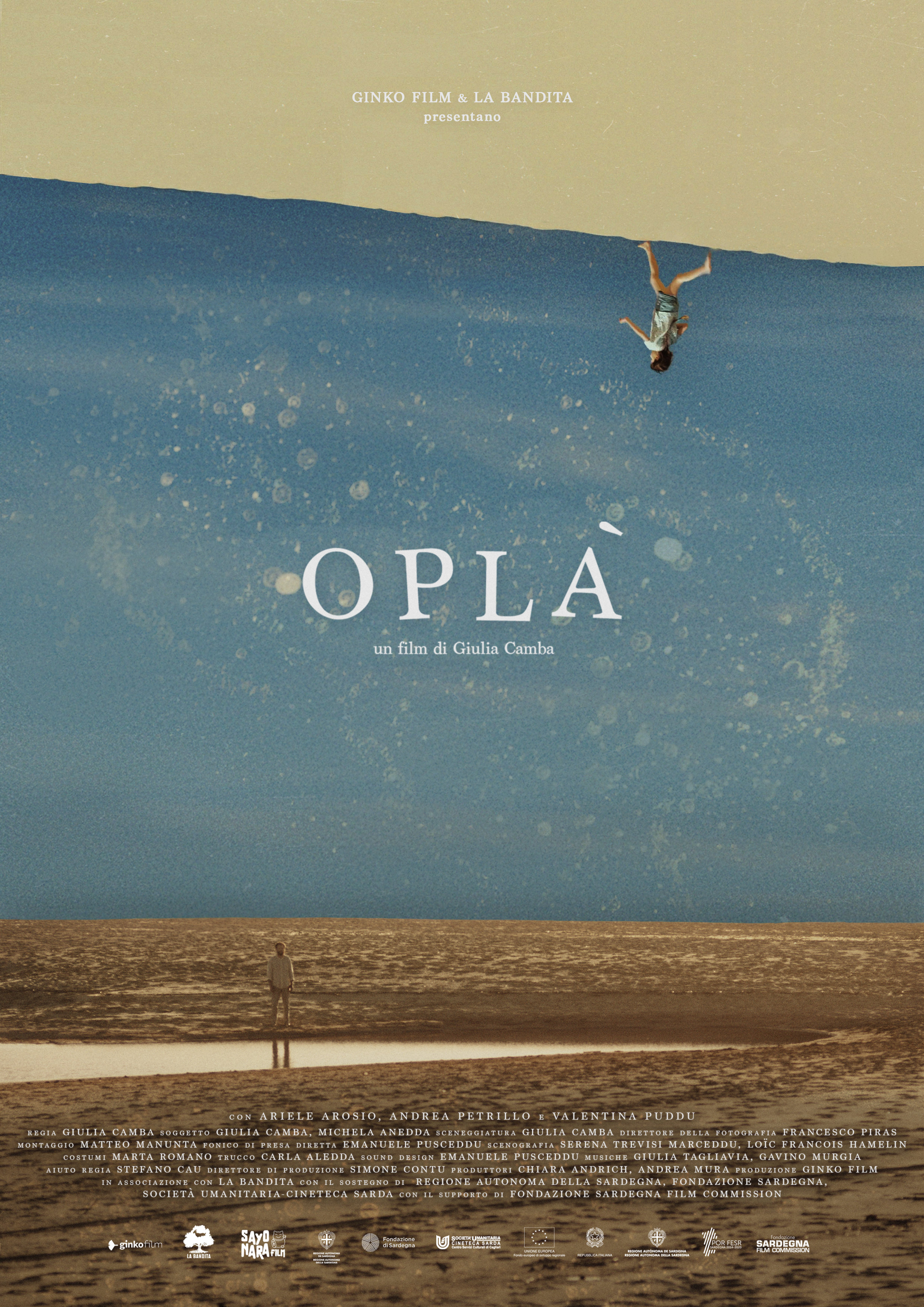
BEST SHORT FICTION FILM Category
22nd IN THE PALACE International Short Film Festival 2025
Italy, Fiction, Italian, 00:17:59, 2025
Synopsis: Nina wakes restlessly in the middle of the night, wanders through the house, and accidentally steps on a spider. Her father tells her that its death will bring bad luck. The next day, Nina goes on a seaside trip with her mother and other children. Among the sand dunes on the beach, she will come to realize what troubles her.
Biography: Giulia Camba, director and photographer, holds a bachelor's degree in Visual Arts from IED. She further pursued her studies in visual anthropology at the University of Kent in Canterbury. Her research takes shape through a dialogue between reality and imagination, focusing on cultural contaminations and the relationship between identity, place, and memory. She has created video art pieces and short experimental documentaries.
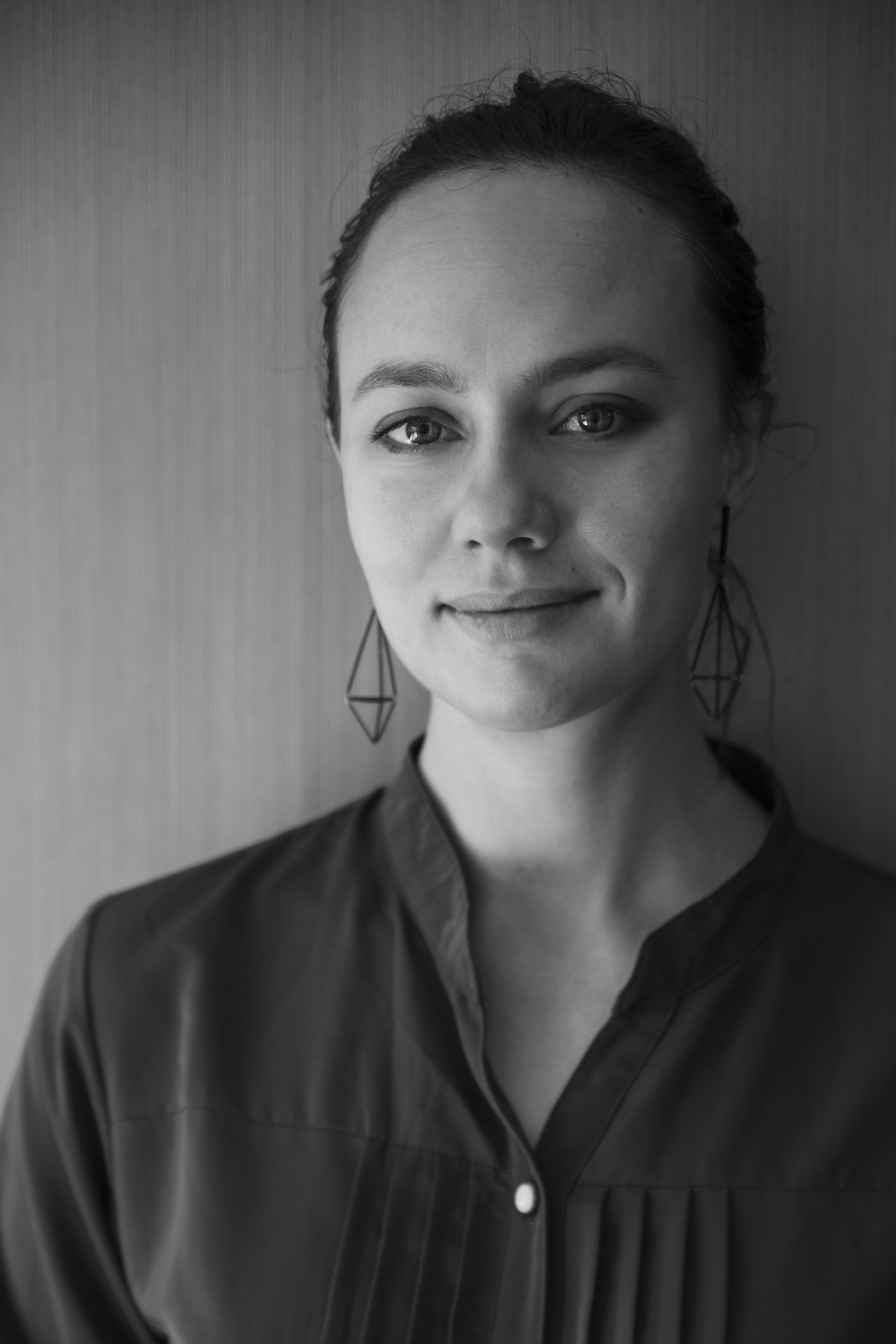 Giulia Camba, director
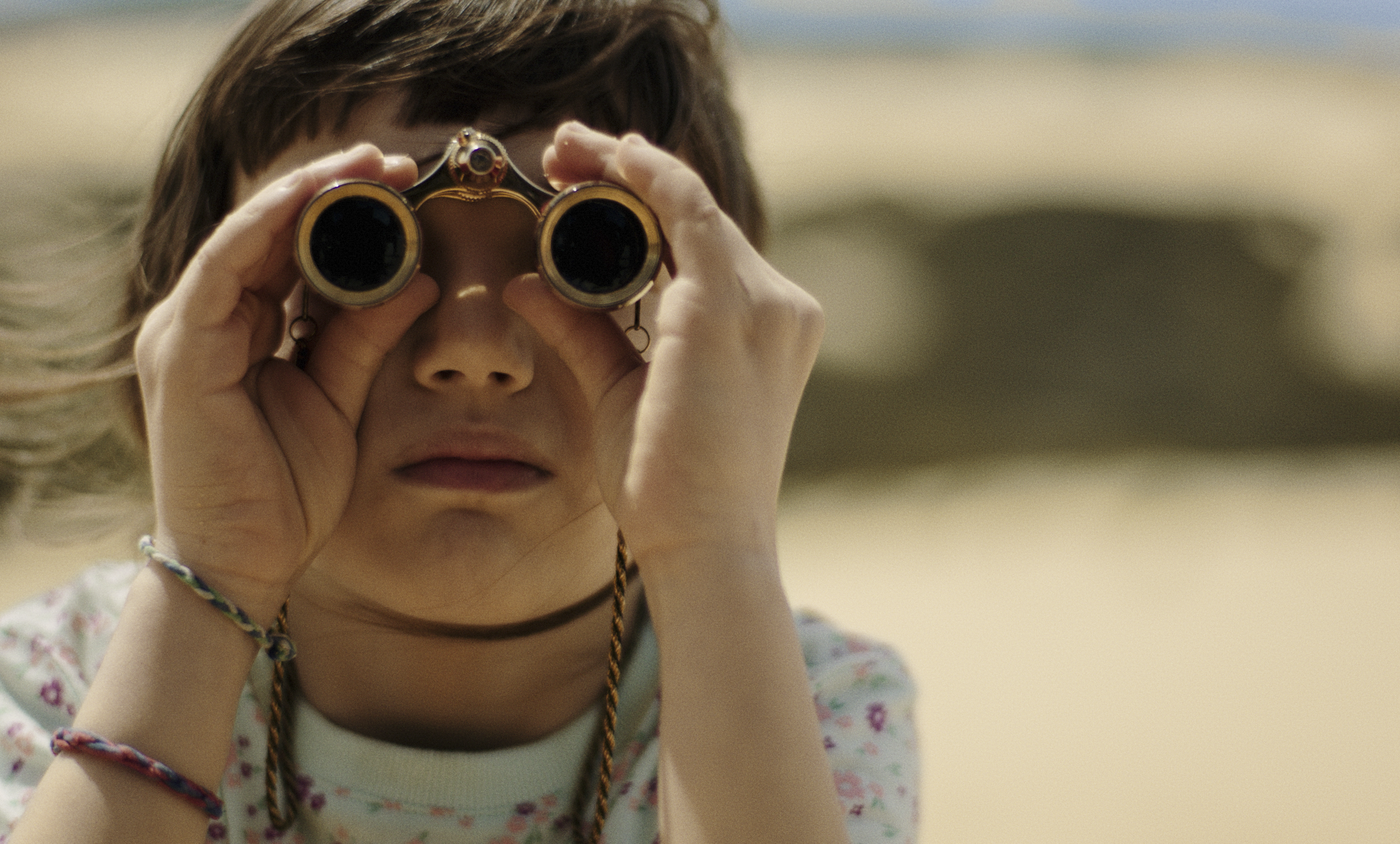
Raya Hristova: One of the main characters in the film is a child. Working with children on set can sometimes be challenging. How was this experience for you, and can you tell us about the little girl?
Giulia Camba: This was her first time acting, she had never had any previous experience. She was very shy, so for me, choosing her was a real risk. But when I saw her, she had this aura, and I thought, she’s the one. I took the risk, and I think it paid off.
Working with her was intense but easier than I expected. She has a beautiful, close-knit family, and her mother helped me understand how to connect with her. For intimate moments, like when she had to cry, we didn’t want to traumatize her. Together with her and her mother, we decided she would choose a personal memory to focus on, while keeping eye contact with her mother during filming. I think with children, you have to really understand the person in front of you and find a personal way to reach them.
Raya Hristova: Valentina, you play her mother. How did you prepare for the role, and how was working with the other actors?
Valentina Puddu: It was a great experience for me because I naturally enjoy working with children. Riele, the main character, was, as Giulia said, very shy but also very intense. Even though I’m not a mother in real life, I play her mother in the film. We found a real connection, and I tried to bring out that tenderness that exists between mother and child. Working with Giulia was also wonderful, she’s professional but kind, so the atmosphere on set was very relaxed.
Raya Hristova: Matteo, the film has some beautiful visual effects. You edited all the scenes. How did you approach, for example, the bedroom sequence where the girl is sitting? And what was your overall vision for the film?
Matteo Manunta: It was a beautiful experience. Giulia and I had already worked together on her previous short film, so we had a good creative connection. During editing, we had a lot of freedom, there was no fixed scheme, and we didn’t strictly follow the script. Julia was very open to innovation. Part of the opening sequence was actually developed in the editing process. We even included images from our personal archives, which made it even more personal and interesting.
Raya Hristova: How did you choose the locations? The visuals are striking, and the production value looks high. How did you manage that financially?
Giulia Camba: We were fortunate to receive regional funding. In Sardinia, we’re lucky to have a certain level of autonomy, which means more funding opportunities compared to other Italian regions. As for locations, the house you see in the film is actually mine. Originally, we had chosen a different house, but the landlords changed their minds, so I said, Okay, we’ll shoot in my home.
Raya Hristova: And what about the scenes outside the house, in the desert?
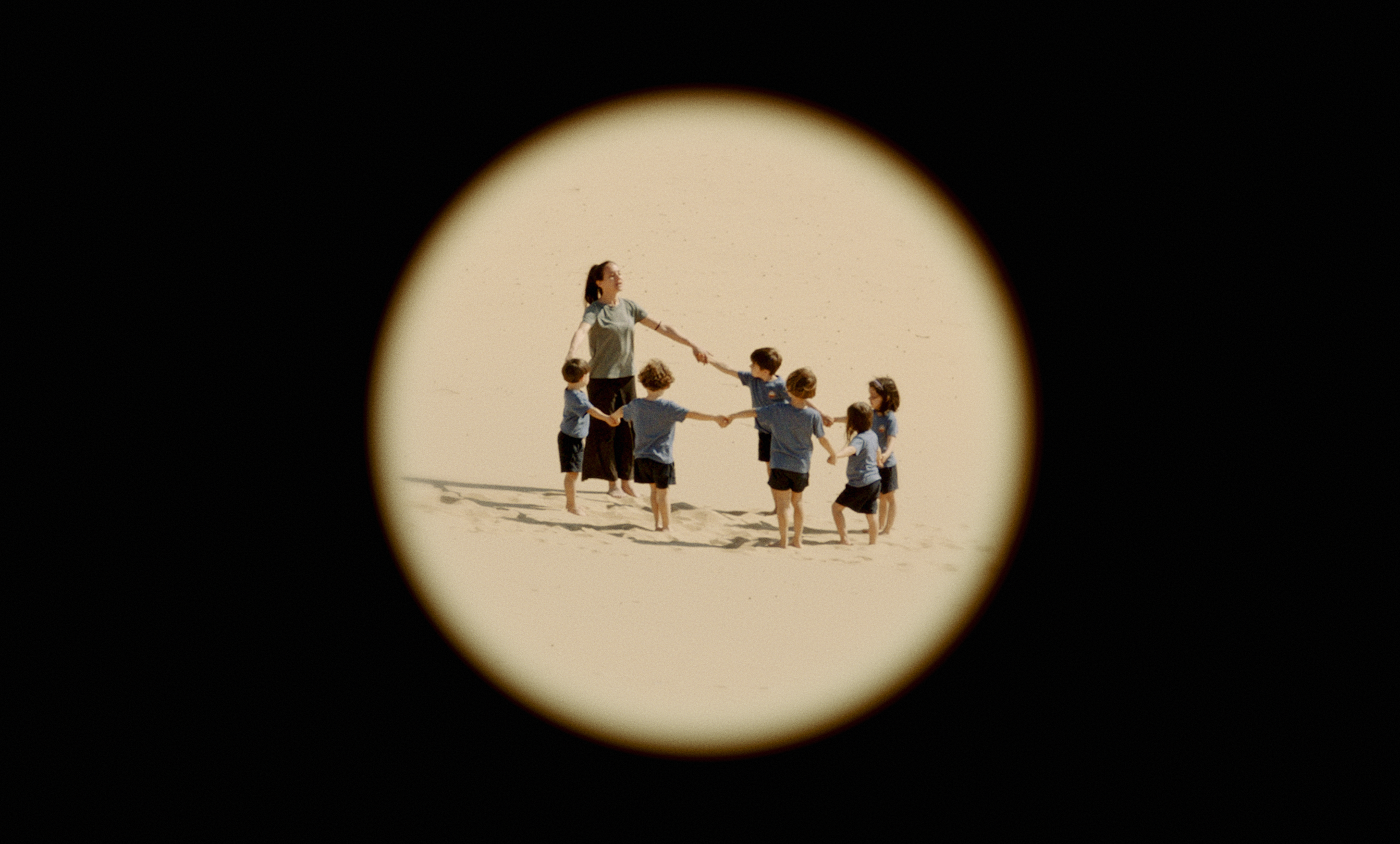
Giulia Camba: That location is magical. It’s called Piscinas, the largest desert in Europe, and it ends with a beach. It’s in Sardinia as well. Filming there was challenging because of the sand and wind, but it was also beautiful. The desert changes with the wind, just as the child changes inside herself.
Interviewer: Raya Hristova
Editor: Martin Kudlac
Raya Hristova’s Take
Opla is a gentle, emotional short film that captures the inner world of a shy little girl an her quiet transformation. Directed by Giulia Camba, the film´s intimate storytelling takes us through a child's experience of change, memory, and imagination.
At the heart of Opla is a young girl, played by a first-time child actor named Ariele Arosio. Choosing her was a risk, director Giulia Camba admits, but it paid off. Even though she was shy and had no previous acting experience, Arosio brings a natural intensity to the screen. To help her feel safe during emotional scenes Giulia worked closely with her and her family, allowing the child to draw on personal memories and keep eye contact with her mother while filming. This approach results in a performance that appears genuine and engages the audience.
Valentina Puddu, who plays the girl’s mother, also shines in her role. She found a real connection with the child on set, and we can feel this through the screen. Their bond feels believable and tender, reflecting the kind of love that doesn't need many words.
Edited by Matteo Manunta, Opla features carefully crafted scenes especially in the dreamlike bedroom sequence. Matteo and Giulia didn’t stick strictly to the script during editing. Instead, they allowed room for creative freedom. Some scenes were shaped entirely in the editing room, even including personal archive footage, which adds a layer of emotional depth.
Shot in Sardinia, one of the most impressive locations is Piscinas, Europe’s largest desert, which ends at the sea. Giulia describes this setting as symbolic, just as the desert shifts with the wind, so does the child grow and change. Though filming in the sand and wind was difficult, the results are stunning on screen. Ultimately, Opla is a poetic and personal short film about childhood, change, and the silent strength we often find in quiet moments.


