


COLLECTABLE STORIES: LYNX

LYNX
Short Talk with Stefan Voyvodov (director)

BEST SHORT DOCUMENTARY FILM Category
22nd IN THE PALACE International Short Film Festival 2025
Bulgaria, Documentary, Bulgarian, 00:11:33, 2024
Synopsis: Since the middle of the 19th century in Bulgaria, the lynx has been accused of being a wrong and unnecessary animal, as a result, it has been subjected to targeted extermination. Prejudice and ignorance build a false mystique around this secretive forest animal. However, there is a fragile, valuable, and critically endangered population of lynx in Bulgaria, and the task of this unprecedented film is to make a cinematic portrait of this animal. A conservation appeal through the power of art or a black documentary chronicle of another irreparable act against nature?
Biography: Stefan Voyvodov was born in 1995 in Sofia, Bulgaria. He earned his Bachelor's degree in Animated Cinema and his Master's degree in Directing for Animated Films from New Bulgarian University. Currently, he is a lecturer at the same university and a member of the World Festival of Animated Film in Varna. Stefan has directed both animated and documentary films, which have been selected and awarded in national and international film festivals, pitching forums, and other industry events.
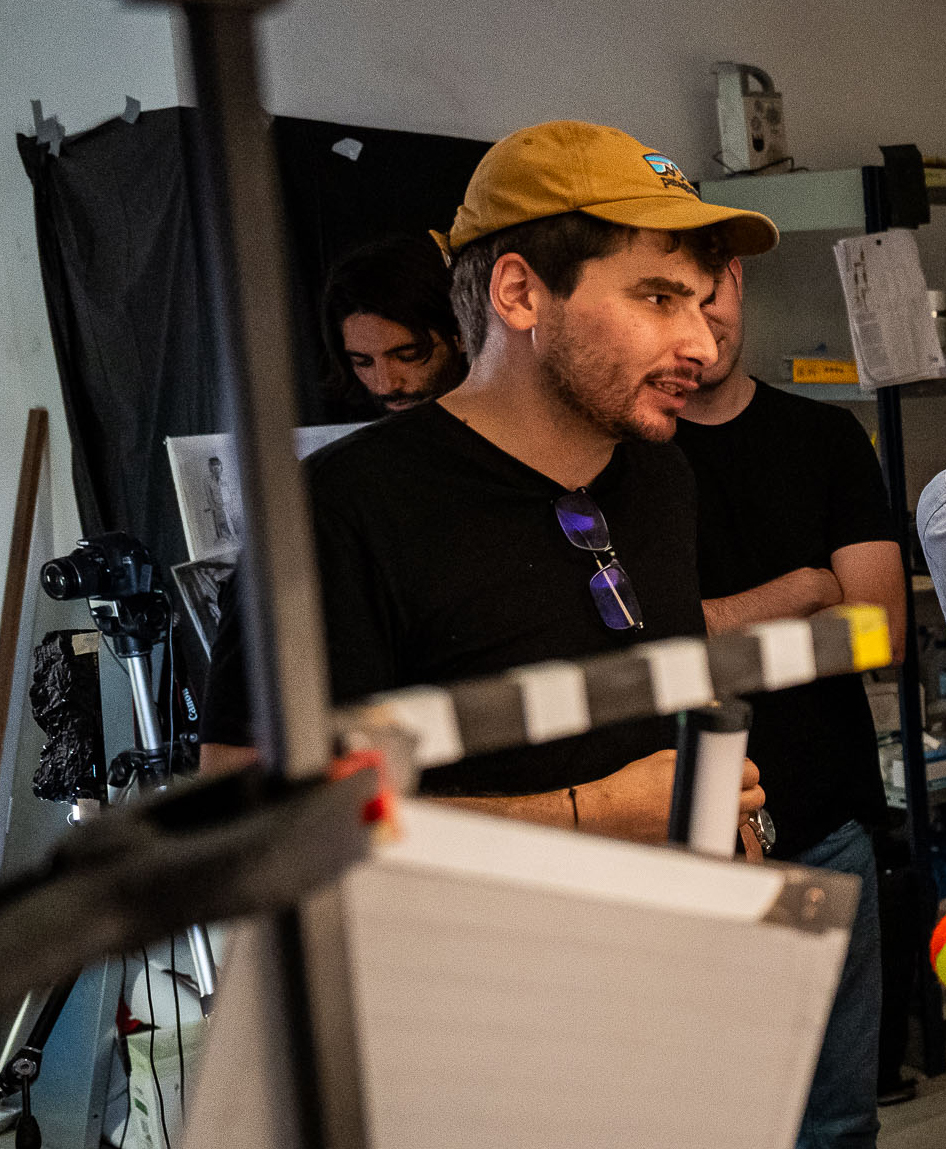 Stefan Voyvodov, director
Toma Manov: The film feels at times as if it’s narrated by the lynx itself. How did that creative choice come about?
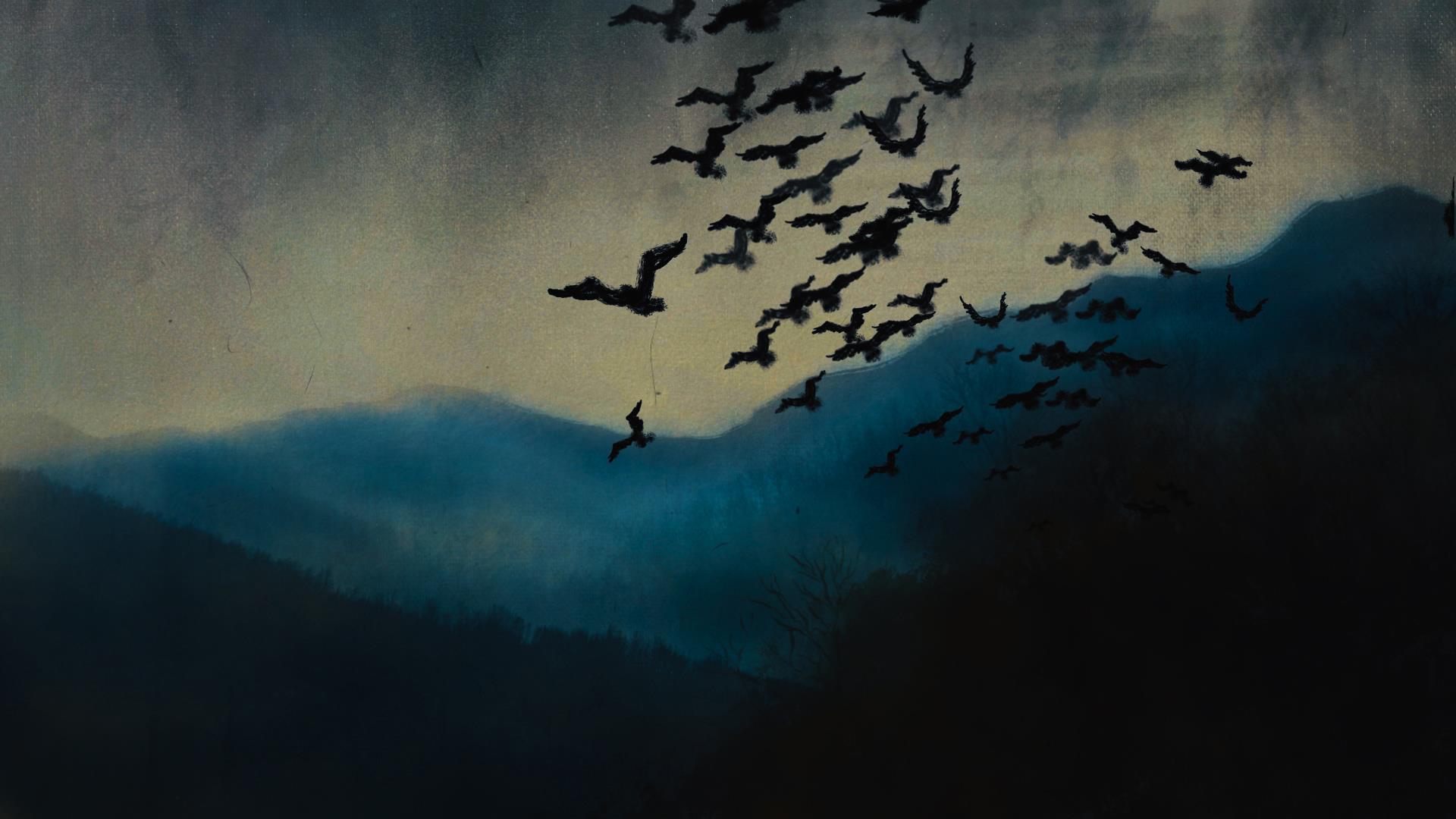
Stefan Voyvodov: Yes, that was exactly the idea. I wanted to give the lynx a voice. Usually, stories like this are told through people, hunters, scientists, but I wanted a new approach. I wanted the lynx to speak for itself, to reclaim its own narrative.
Toma Manov: And for those in the audience who might not be familiar, could you tell us more about the lynx’s place in Bulgarian culture and folklore?
Stefan Voyvodov: The lynx is deeply rooted in our history and culture. But sadly, the last one was believed to have been killed at the end of World War II. For decades, it was considered extinct in Bulgaria. But in recent years, we’ve had confirmed evidence, there is still a small, very fragile population living in the wild.

Toma Manov: That’s remarkable. Do you know how that rediscovery came about?
Stefan Voyvodov: Yes, I worked with Vladimir Todorov, he’s a scientist, a PhD specializing in large mammals in Bulgaria. We had already collaborated on my first film, which was about bears. He has access to a lot of informal data, from hunters, shepherds, locals. You hear things like, "I saw one there," or "I think one passed near my sheep." So we went out, set camera traps, waited, checked. It’s a slow process, but it paid off.
Toma Manov: And what would it mean if the lynx were to go extinct again?
Stefan Voyvodov: It would be irreversible. A one-way ticket. There’s no bringing it back again. It would be a huge mistake, a tragic one, for biodiversity, for the country, for all of us.
Toma Manov: If I understand correctly, you managed to get actual footage of the lynx?
Stefan Voyvodov: Yes. We captured real footage, which is rare. We set up camera traps across the mountains, Rhodopes, Stara Planina, and other regions. It was a nationwide effort. But it wasn’t easy. As we like to say: cinema is a dirty business. We used lynx excrement, yes, from zoos, as bait to attract them. I drove around Bulgaria with 30 kilograms of lynx scat in my car. Not glamorous!
Toma Manov: And were you ever physically present when the lynx showed up?
Stefan Voyvodov: Absolutely not. It’s impossible. They’re extremely intelligent, and extremely elusive. If they even suspect a human presence, they vanish. So you have to stay away and let the cameras do the work.
Interviewer: Toma Manov
Editor: Martin Kudlac


