


COLLECTABLE STORIES: KOKA

KOKA
Short Talk with Aliaksandr Tsymbaliuk (director)
BEST MID-LENGHT FILM Category
22nd IN THE PALACE International Short Film Festival 2025
Poland, Fiction, English, Other, Russian, 00:47:55, 2024
Synopsis: The story centres on an intimate relationship between Koka and his father Stas that live on the edge of Chukotka, the shore of the Bering Sea. The harshness of the local climate and living conditions determines not only the life cycle of its inhabitants but also dictates its own specific forms of love expression and devotion. Stas is a harsh parent, but it seems that this strictness comes from desire to prepare him for the future life in difficult circumstances. The knife that Stas teaches Koka how to use appears more than once in the frame throughout the film. A ritualistic object that will pass from father to son, a metaphor for survival in the harsh tundra.
Biography: Aliaksandr Tsymbaliuk is 34 years old, born and raised in Pinsk, Belarus. At the age of 24 he was enrolled in Lodz Film School to cinematographer department and successfully graduated. During and after his studies he took part in different projects, both in fiction and documentary films.
But as it turned out in the process his inner preference was for documentary films, and he has decided to focus on developing himself as a documentary cinematographer and director. His last major project as a one of cinematographers was “Queendom" dir. Agnia Galdanova which premiered at SXSW 2023 and won prizes on CPHDOX Festival, Zurich Film Festival, Athens International Film Festival, Munich Film Festival, L.A. Outfest.
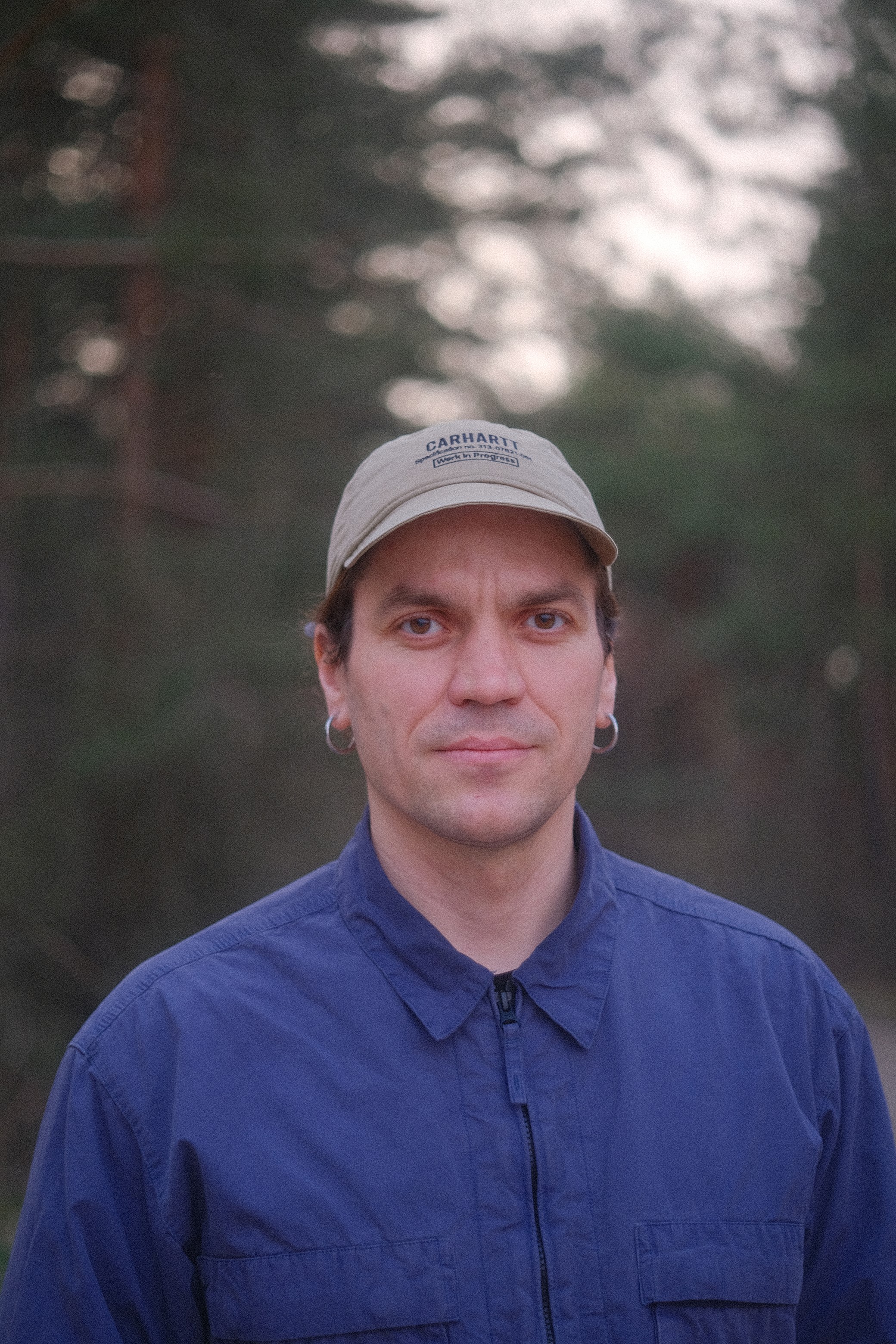 Aliaksandr Tsymbaliuk, director
Kaloyan Vasilev: In this film, we have a different approach, it’s more of a “fly on the wall” style. We’re observing people without interviews. How did you navigate between intrusion and intimacy when filming? Did the family ever see you as an intruder?
Aliaksandr Tsymbaliuk: I think it always depends on you as the filmmaker. If you can be as transparent as they need you to be, they’ll start to trust you. In my case, I believe they felt that the story I was building during the process resonated with me on a personal level. I only fully understood this later, in the editing stage, but I think subconsciously it connected to my own relationship with my father. I also think your protagonist will always feel you as you feel them, it’s an equal exchange in making a film. The only way to go is to make them feel free, to help them forget you’re even in the room.
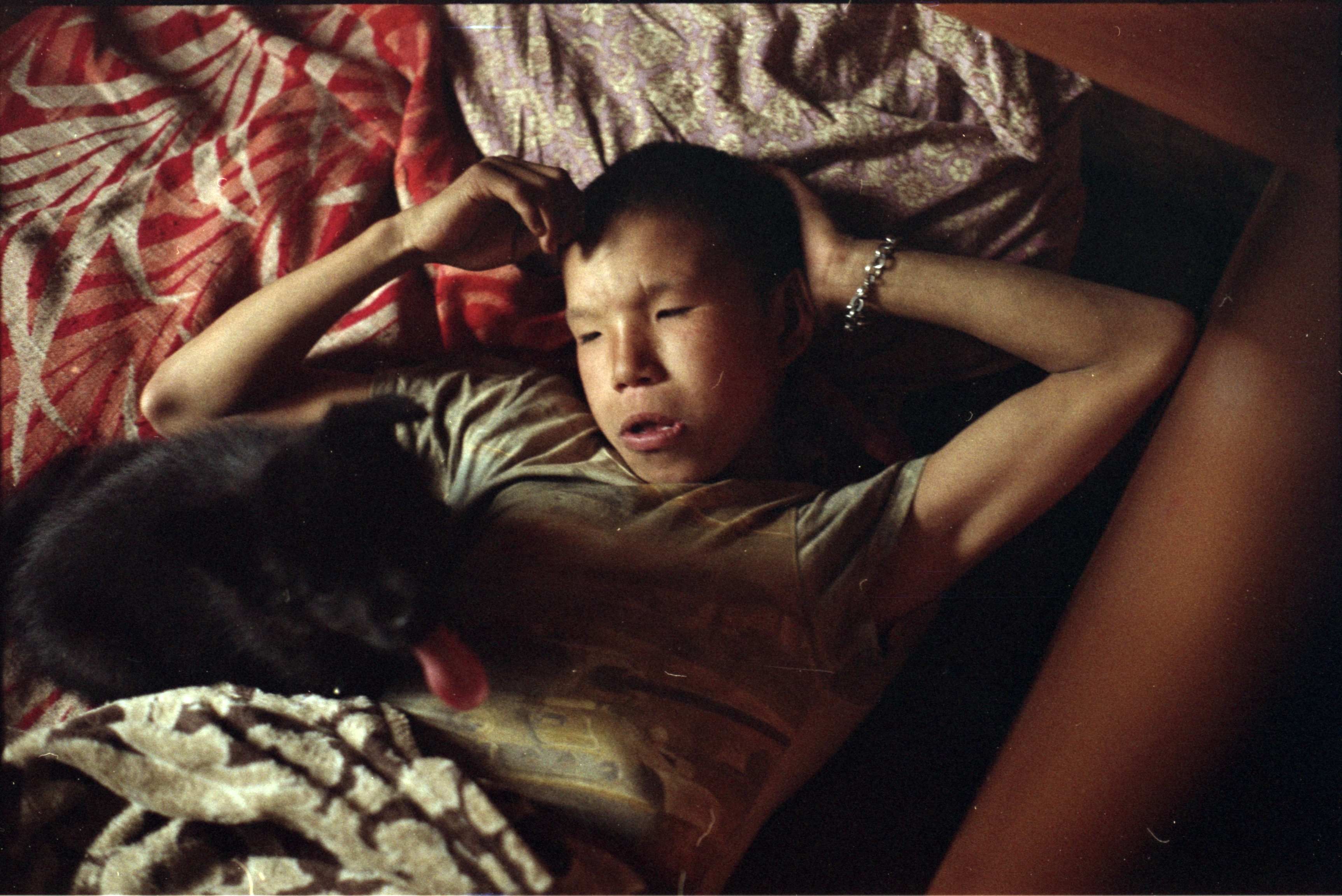
Kaloyan Vasilev: But aren’t there also some directed scenes? For example, when the boy is on the trolley, pulled by the dog, wasn’t that staged?
Aliaksandr Tsymbaliuk: I wouldn’t call it staged in the traditional sense. In documentaries, of course, there are moments when you ask to repeat an action, especially if it’s a good moment. But that scene, for example, was simply a fun, light moment about childhood, not a psychologically loaded interaction between father and son.
It wasn’t about provoking a dramatic reaction; it was more about capturing something joyful. But yes, as a cinematographer from the very beginning, I was aware that I might need certain shots for editing. That’s why I sometimes asked for something to be repeated, just to have enough material to build the scene later.
Interviewer: Kaloyan Vasilev
Editor: Martin Kudlac


