


COLLECTABLE STORIES: A FRIEND OF DOROTHY

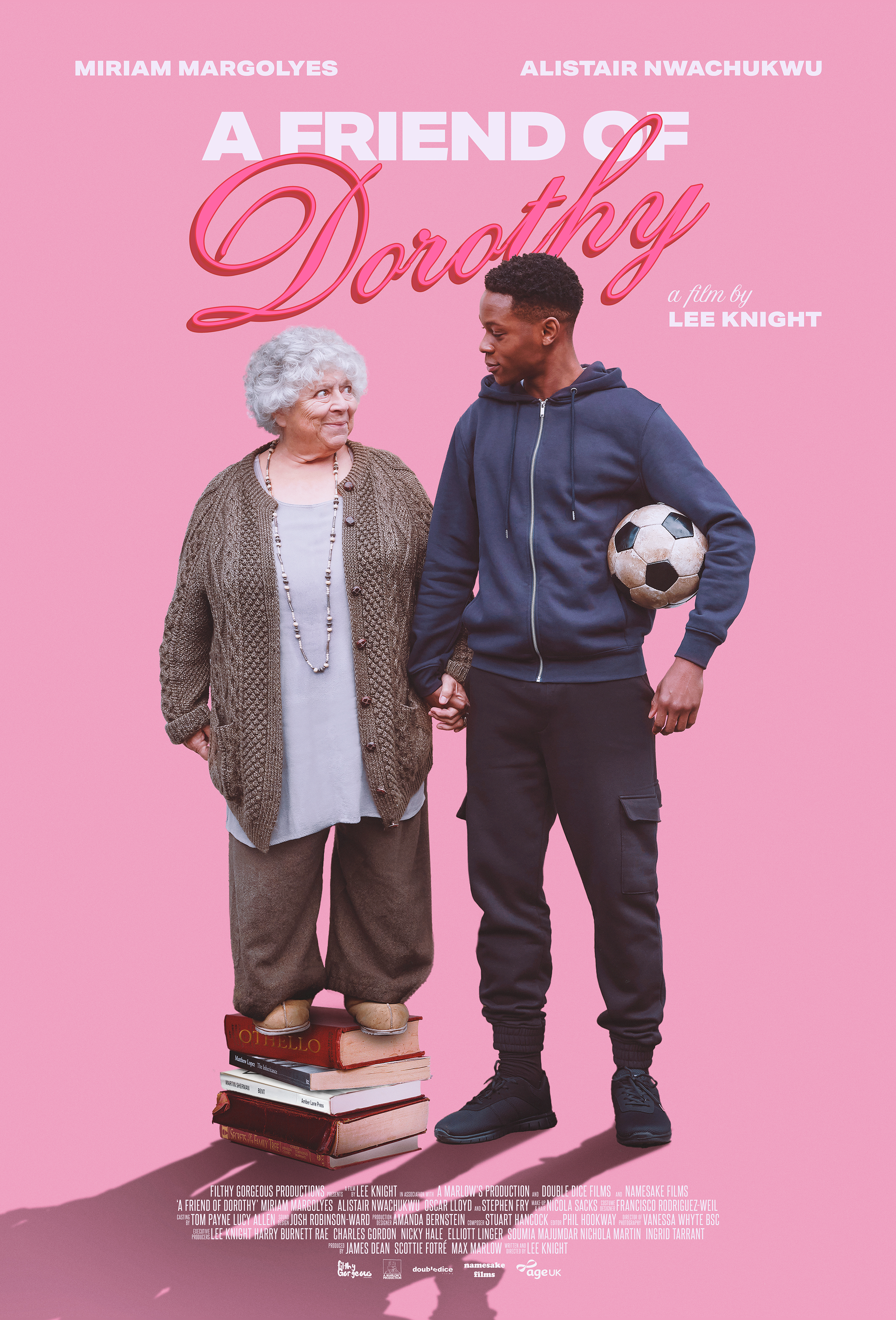
A FRIEND OF DOROTHY
Short Talk with Lee Knight (director)
BEST SHORT FICTION FILM Category
22nd IN THE PALACE International Short Film Festival 2025
United Kingdom, Fiction, English, 00:23:49, 2025
Synopsis: Dorothy is a lonely widow whose body is failing, but her mind remains as bright as ever. When 17-year-old JJ accidentally kicks his football into her garden, he upends Dorothy’s daily routine of pills, prunes and crosswords, and an unlikely friendship blossoms. Despite being worlds apart in every way, the two come to find they have more in common than they could ever imagine. The cast includes Stephen Fry and Oscar Lloyd.
Biography: Lee Knight is an actor, writer, and director with a passion for storytelling across stage & screen. As an actor, Lee appeared as Rosencrantz alongside Sir Ian McKellen in Hamlet on Amazon Prime and The Stolen Girl on Disney+. His other screen credits include Harry Potter & the Goblet of Fire, Sherlock and The Last Letter from Your Lover. Lee creates comedy sketches, one of which was featured on the British Comedy Guide. Friend of Dorothy marks his debut as a writer and director.
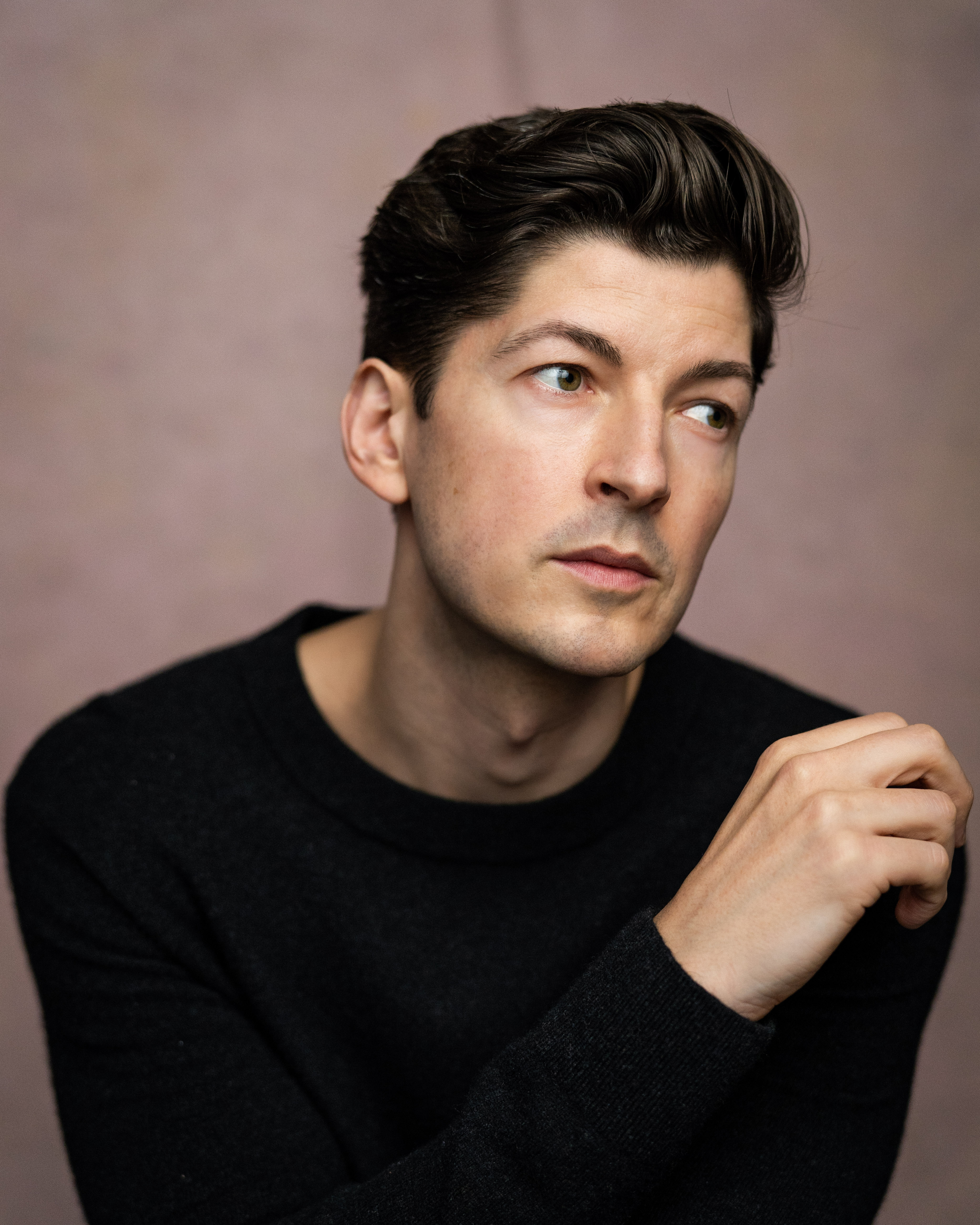
Lee Knight, director
Toma Manov: Since this is a story that deals with the burdens of growing old, and you’re a young director, how did the plot come to life?
Lee Knight: So, me and my husband were very close to our neighbor, Shirley Woodham. We were both actors originally, and when she found out we were actors, well, she used to be really into theatre herself, but that part of her life had sort of faded, especially since her kids all lived abroad. We became very good friends. We’d take her to our press nights, and that friendship brought us so much joy. The film is fictional, but it’s inspired by that connection. The character of Dorothy is very much based on her, on who she was. She passed away a few years ago, but her spirit is very much in the film.
Toma Manov: If it’s not too personal, did you write the script before or after her passing?
Lee Knight: I actually wrote it while she was still alive. I was away doing a play in Windsor, an age-blind production, and it was just after the pandemic. I was staying in this little cottage, and I started writing. I gave her the script. I don’t know if she ever read it, but I gave it to her while she was still well. And at her funeral, her son came up to me and said, “I found your script when I was clearing out Mum’s flat. You really should make this.” I was a bit hesitant, to be honest, I didn’t think it showed her kids in the best light, since they were all living abroad and she was lonely. But they saw the beauty in the story, and they encouraged me.
Toma Manov: So while the film is fiction, it does contain elements that feel almost documentary, especially about that friendship.
Lee Knight: Yes, absolutely. I think for a lot of storytellers, we write what we need to explore, whether it’s something we’ve experienced or something that’s been on our minds. For me, it was that specific friendship, and the broader theme of aging and loneliness. I’ve always been interested in how society treats older people, we don’t always see them, or we don’t value their wisdom. That’s something I really wanted to explore.
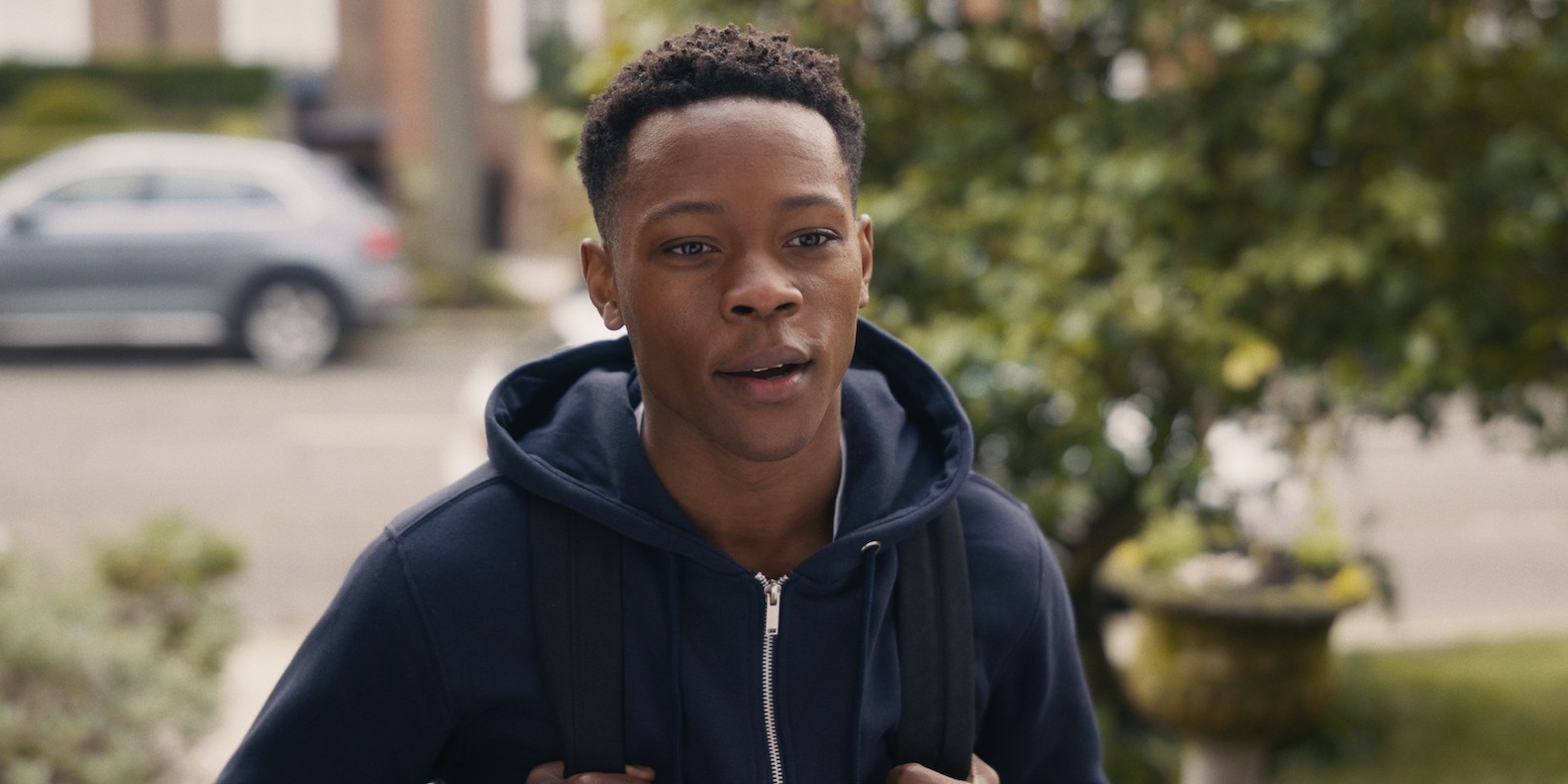
Toma Manov: There’s a particularly subtle scene in the film where the protagonist exchanges a glance with another boy in a supermarket. That moment is quiet, but powerful. Should we read something into the film’s title in connection with that?
Lee Knight: Definitely. A Friend of Dorothy is a historical phrase, it was once a discreet way of referring to gay men. It goes back to The Wizard of Oz and Judy Garland, her friends were often seen as “different,” like the Tin Man, and so on. So people would say, “Is he a friend of Dorothy?” meaning, “Is he gay?” In our film, Dorothy is the character who takes JJ under her wing. He feels safe with her. That moment in the supermarket is very real, but also quite dangerous, depending on the cultural context. Two young Black men exchanging that kind of glance in public can be risky, even today, in many communities. I wanted to show the beauty of that connection, but also the tension behind it.
Toma Manov: You said “in certain cultures”, is that something that relates to your own experience or community?
Lee Knight: I live in London, and I’m lucky in that sense. But globally, things are really hard right now for LGBTQ and queer people. In JJ’s case, and in Black culture more broadly, there can be challenges. And not just in Black culture, in lots of cultures. That’s why I wanted to highlight that moment—to show how powerful, and also how vulnerable, such encounters can be.
Interviewer: Toma Manov
Editor: Martin Kudlac


